Compare Local Contractors for Demolition Services and Set Clear Expectations
Compare local contractors to define your demolition scope, verify experience, and set clear expectations for a smooth, successful project.
Demolition services encompass a range of activities aimed at safely and efficiently removing structures or parts of structures from a property. This can include interior strip-outs, complete building demolitions, or selective dismantling of specific elements such as walls, foundations, or fixtures. The scope of work often depends on the project’s goals, whether it’s preparing a site for new construction, clearing space for renovations, or removing unsafe or outdated structures. Clear communication about what the demolition involves helps property owners ensure that the work aligns with their needs and project plans.
Defining the scope of a demolition project is a crucial step that impacts the overall success and clarity of the work. A well-outlined scope specifies exactly what parts of a property will be demolished, what materials are involved, and any special considerations such as hazardous materials or structural reinforcements. Having this information in writing helps prevent misunderstandings, sets realistic expectations, and provides a basis for comparing different local contractors. It also ensures that all parties are aligned on the extent of the work, which can influence planning and safety measures.
When choosing a local contractor for demolition services, property owners should consider how to compare options effectively. Verifying experience with similar projects and understanding the contractor’s familiarity with local regulations can be important factors. It’s also helpful to review how each service provider defines their scope of work and what safety or cleanup procedures they include. Gathering details about their approach to project management, communication, and the scope of services can make it easier to evaluate which local contractor is best suited for the specific demolition needs. Comparing these aspects helps ensure that the selected professional can deliver the required work reliably and according to expectations.
Compare local contractors by outlining your project priorities, verifying experience, and setting clear expectations in writing.
- Evaluate Contractor Experience - Verify the background and project history of local contractors to ensure they have relevant demolition expertise.
- Define Project Scope Clearly - Outline specific demolition tasks and expectations in writing to prevent misunderstandings.
- Compare Multiple Service Providers - Assess different local contractors based on their capabilities, reputation, and service offerings.
- Request Written Agreements - Ensure all details, including scope and responsibilities, are documented in formal contracts.

Clearly describe your demolition project scope to effectively compare local contractors and set clear expectations.
- Verify experience and references of local contractors to ensure familiarity with demolition projects of similar scope. - Look for service providers who clearly define the scope of work and outline project expectations in written agreements.
- Assess the contractor’s understanding of site-specific requirements, including safety measures and disposal procedures. - Ensure that local contractors are knowledgeable about handling debris and adhering to local regulations.
- Compare the level of detail in proposals to evaluate how thoroughly each contractor plans to approach the demolition process. - Focus on contractors who provide comprehensive descriptions of their methods and materials.
- Check that the scope of work includes provisions for site cleanup and debris removal after demolition is complete. - Confirm that service providers specify cleanup responsibilities in their written estimates.
- Review the contractor’s licensing or insurance documentation, if available, to verify their credibility and compliance with local standards. - While licensing is not a requirement, documentation can help gauge the contractor’s professionalism.
- Ensure that all project details, including scope and responsibilities, are documented in a clear, written contract before work begins. - Clear agreements help set expectations and prevent misunderstandings during the project.
Compare local contractors, clarify project scope, verify experience, and set clear expectations in writing.

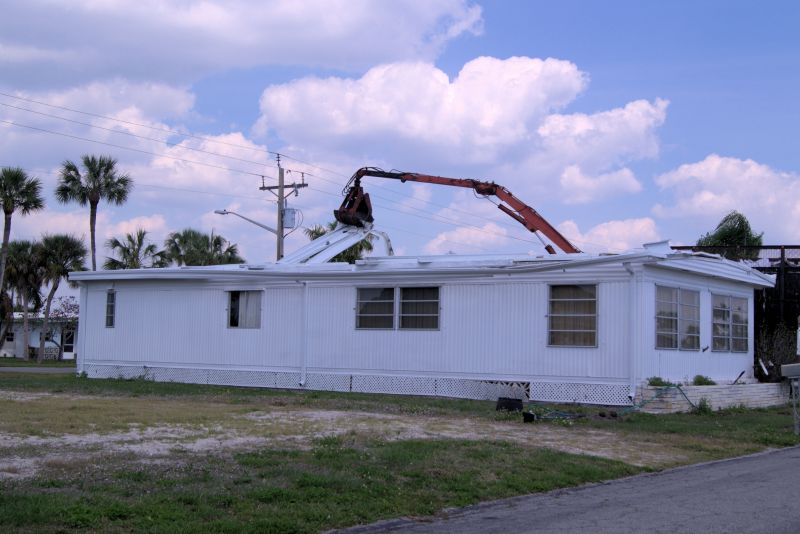

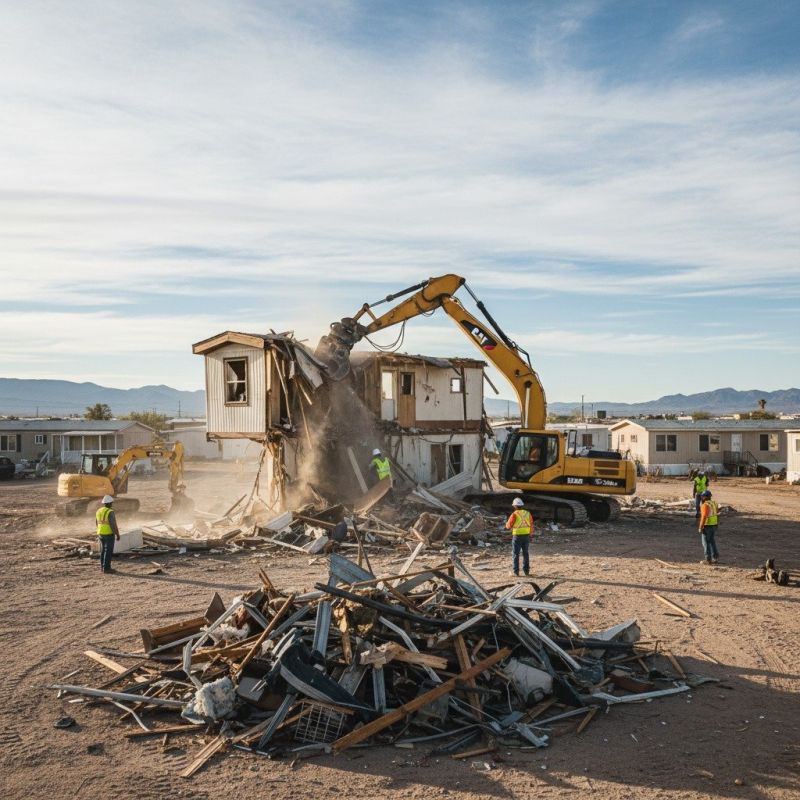
Use clear scope definitions and verify experience to ensure consistent comparisons among local contractors for demolition services.
- Define the scope of demolition work to specify the areas, structures, or materials involved in the project.
- Verify experience and expertise of local contractors to ensure they have relevant background in similar demolition services.
- Determine required permits and compliance needs to align the project scope with local regulations and restrictions.
- Establish clear project expectations in writing to outline responsibilities, deliverables, and safety considerations.
- Compare credentials and reviews of local service providers to assess reliability and suitability for the demolition project.
When comparing contractors for demolition services, it is important to evaluate their experience with projects similar to your own. A contractor with a history of handling comparable structures or materials can demonstrate familiarity with the specific challenges involved. Asking about past projects or requesting examples of work can provide insight into their expertise and whether they have successfully managed jobs similar in scope and complexity. This background can help ensure the contractor is well-equipped to handle the unique requirements of your demolition project.
A clear, written scope of work is essential when assessing different service providers. The scope should detail exactly what demolition tasks will be performed, including the extent of the work, materials to be removed, and any site preparation or cleanup involved. Having this information in writing helps prevent misunderstandings and ensures that expectations are aligned. It also provides a basis for comparing how thoroughly each contractor has outlined their approach, which can be an indicator of their professionalism and attention to detail.
Verification basics involve confirming that a contractor can substantiate their experience and qualifications through references or documented work history. Requesting references from previous clients or checking online reviews can offer valuable perspectives on the contractor’s reliability and quality of work. Additionally, verifying that the contractor has the necessary insurance coverage and proper permits, if applicable, is a prudent step to mitigate potential liabilities. These verification methods help establish confidence in the contractor’s ability to deliver a satisfactory result.
When evaluating options, it is important to focus on the contractor’s experience, clarity of scope, and verification of credentials rather than price alone. Reviewing the scope of work, checking references, and understanding their project background can provide a comprehensive picture of each service provider’s capabilities. Asking detailed questions about their past projects and how they plan to approach your demolition can help identify the most qualified contractor for the job. This thorough comparison process supports making an informed decision aligned with the specific needs of the project.
Request written scope details from local contractors to ensure clear expectations and consistent project understanding.
- Experience and Expertise - What specific demolition projects have local contractors completed similar to your scope?
- Scope of Work - How do local service providers define and document the extent of demolition required?
- Permitting and Regulations - What experience do local contractors have navigating permits and compliance for demolition jobs?
- Insurance and Liability - How do local pros handle liability coverage and protect clients during demolition projects?
- Communication and Clarification - How do local contractors ensure all project details and expectations are clearly outlined in writing?
What should be included in a demolition project scope? A detailed scope outlines the specific areas to be demolished, materials involved, and any structural considerations, helping to ensure clear expectations with contractors.
How can I verify a demolition contractor’s experience? Review their previous work, request references, and confirm their familiarity with the type of demolition needed to assess their expertise.
Why is it important to compare multiple demolition service providers? Comparing contractors allows for evaluating their qualifications, experience, and the scope of services offered, aiding in selecting the best fit for the project.
What questions should I ask a demolition contractor before hiring? Inquire about their previous projects, safety practices, project management approach, and how they handle unexpected issues during demolition.
How can I ensure clear communication with a demolition contractor? Establish expectations in writing, including project scope, responsibilities, and deliverables, to promote understanding and accountability.
What factors are important when choosing a demolition contractor? Consider their experience, reputation, scope of services, ability to meet project requirements, and their approach to safety and project management.
This page has highlighted the importance of thoroughly defining the scope of a demolition project, verifying the experience of potential contractors, and setting clear expectations in writing. Understanding these key steps can help in comparing different service providers and making informed decisions about hiring local contractors for demolition services.
Using the quote form allows visitors to easily connect with local service providers who can handle demolition projects. It offers a straightforward way to explore options and gather information, making it easier to find the right contractor to meet specific needs.